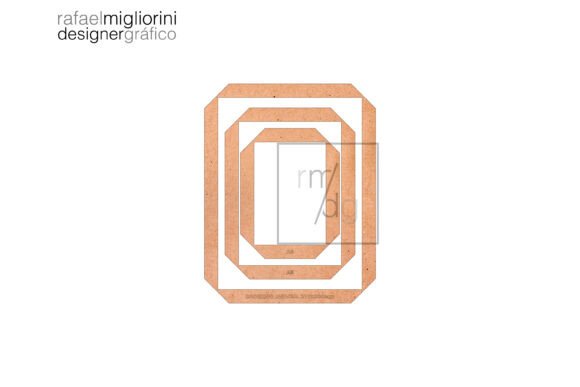
Your Complete Guide to Cover Binding Templates and Precise Measurements
There is a specific satisfaction in holding a notebook, journal, or planner that feels substantial. It’s not just about the pages inside, but the cover that protects them. The right cover does more than add a splash of color; it provides structure, durability, and a professional or personal touch. But creating that perfect cover, especially for custom projects, hinges on one critical step: getting the measurements exactly right. This is where cover binding templates become your most valuable tool, transforming guesswork into a precise, repeatable process.
What Exactly Are Cover Binding Templates?
Think of a cover binding template as a detailed blueprint for your project's exterior. It’s a pre-formatted guide, usually a digital file, that shows you the exact dimensions needed to cut and fold your cover material. This includes not just the height and width of the front and back panels, but also the crucial spine width and the allowances for the hinge area that lets the book open and close smoothly. Using a template eliminates the frustrating trial-and-error of cutting covers too small or wasting expensive material by cutting them too large. It’s the difference between a project that looks homemade and one that looks handcrafted.
Real-World Scenarios: Who Needs This and Why?
The applications for precise cover binding templates are surprisingly diverse, spanning creative hobbies, professional services, and small business needs.
For the Passionate Crafter and DIY Enthusiast
Imagine you’ve found beautiful handmade paper or a unique fabric you want to turn into a journal for a friend. You’ve perfected the interior pages, but the cover is where it all comes together. A template for a Baby Book - 220mm x 220mm gives you the confidence to cut your material correctly on the first try, ensuring the square format has crisp, even edges. Similarly, a scrapbooker creating a memory album can use a College Notebook template to create a custom, durable cover that protects precious photos for years. The template handles the math, so you can focus on the artistry.
For Small Businesses and Entrepreneurs
Consistency is key for branding. A small coffee shop wanting to create branded guest books or a boutique hotel designing in-room directories needs every copy to look identical. Using a standardized template, like the A5 - 150mm x 210mm, ensures that whether they are producing 10 or 100 covers, each one has the same professional fit. This is also invaluable for Etsy sellers or artisans who create custom journals or notebooks to order. It streamlines production, reduces material waste, and guarantees a quality product every time, which is essential for building a reputable brand.
For Educators and Office Professionals
Teachers creating custom planners for their classroom or an office manager binding internal reports and manuals benefit immensely from organization. A template for a College Notebook with dividers - 220mm x 280mm is perfect for creating reference guides that lie flat and have a sturdy cover for daily use. It’s a practical solution for creating tailored resources that standard off-the-shelf products can’t provide. The ability to choose a specific size, like the narrower College Notebook - 180mm x 240mm, allows for more portable handbooks or field guides.
Navigating the Choices: Common Templates and Their Uses
Understanding the standard sizes helps you match the template to the project’s purpose. Here’s a breakdown of some common cover binding templates and where they shine.
- A6 - 105mm x 150mm: This compact size is ideal for pocket notebooks, daily to-do lists, or small sketchbooks meant to be carried everywhere. Its portability is its greatest strength.
- A5 - 150mm x 210mm: The most popular size for personal journals, planners, and commonplace books. It offers ample writing space without being bulky, fitting easily into a bag.
- A5 with dividers - 165mm x 220mm: The slightly larger dimensions accommodate the spine and internal dividers, perfect for creating a multi-section planner or a project notebook with dedicated areas for notes, schedules, and ideas.
- Baby Book - 220mm x 220mm: The square format is visually appealing for photo albums, guest books at events, or artistic portfolios. The Baby Book with dividers - 220mm x 230mm version allows for organized sections, like monthly milestones in a baby book.
- College Notebook (Standard & with Dividers): These larger formats (210mm x 280mm or 220mm x 280mm) are workhorses for academic subjects, detailed meeting notes, or comprehensive project planning. The divider versions are excellent for separating topics within a single volume.
- College Notebook (Compact & with Dividers): The 180mm x 240mm and its 190mm x 240mm divider counterpart offer a more streamlined alternative. They are great for field notes, specialized logs, or as a more manageable option for those who find larger notebooks cumbersome.
Practical Considerations Before You Start
Choosing a template is just the beginning. A few key considerations will ensure your project’s success.
First, material thickness matters. A template designed for cardstock will not work for a thicker bookboard or a flexible leather-like material. The spine width calculation is directly related to the number of pages and their thickness, so your template must align with your interior paper choice. Second, account for your binding method. A cover for a spiral-bound notebook differs from one for a perfect-bound or saddle-stitched book. The template should match the binding style to ensure proper function and aesthetics. Finally, think about the finish. Will you be wrapping the material around the cover? If so, you need templates that include generous wrap-around allowances for neat folding and gluing.
Strengths and Honest Limitations
The primary strength of using cover binding templates is the elimination of costly errors. They provide a reliable framework for precision, save time, and reduce material waste, which is both economical and environmentally considerate. They empower creators of all skill levels to achieve professional results.
However, it’s important to recognize their limitations. A template is a starting point based on standard specifications. If you are using an unusually thick interior paper or a non-standard binding mechanism, you may need to adjust the spine width. Furthermore, while templates are fantastic for standard sizes, creating a truly unique, custom dimension from scratch requires a deeper understanding of bookbinding principles. They are a guide, not a substitute for understanding the craft.
Ultimately, the world of custom bookbinding and notebook creation opens up when you have the right tools. Cover binding templates provide that essential foundation of accuracy and consistency. Whether you’re preserving memories, building a brand, or organizing your life, starting with the correct measurements ensures your final creation is not just functional, but something you’re truly proud to hold, use, and share. It’s the first and most important step in bringing your vision to life with a perfect, polished cover.