Practical Halloween Sewing Applique Templates for Festive Home Décor
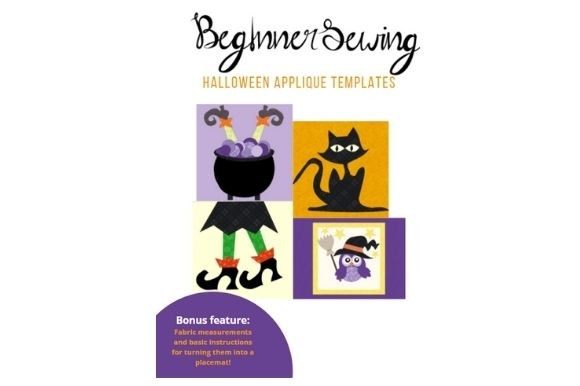
The shift toward seasonal crafting often brings a desire for projects that balance thematic impact with manageable complexity. For sewists and textile artists, the demand for reliable, scalable patterns is constant. A resource designed to streamline the creation of Halloween-themed décor is the Halloween Sewing Applique Templates collection. This template book is engineered to provide four distinct designs, specifically formatted to fit within 10 x 10-inch square blocks. Beyond the patterns themselves, the package includes a practical bonus: instructions for transforming a completed appliqued square into a functional placemat, accompanied by a primer on fundamental applique techniques. This analysis examines the utility, design integrity, and practical application of this resource for a range of creators.
Core Structure and Design Specifications
At its foundation, the Halloween Sewing Applique Templates is a focused toolkit. The primary value lies in the dimensional consistency of the four included designs. Each template is pre-scaled for a 10 x 10-inch square, eliminating the guesswork and resizing errors that can derail a project. This standard sizing is a significant strength for creators who value precision and repeatability. Whether the goal is to produce a single statement piece or a coordinated set of items—such as a series of quilt blocks, wall hangings, or table settings—the uniform measurement ensures visual harmony and simplifies the cutting and assembly process.
The collection likely features classic Halloween motifs. While the specific designs may vary, one can expect a thematic range that could include stylized pumpkins, whimsical ghosts, intricate bat silhouettes, or detailed jack-o'-lantern faces. The effectiveness of any applique template hinges on the clarity of its lines and the logical separation of its pieces. A well-constructed template will have clearly defined sections, appropriate seam allowances marked, and intuitive assembly sequencing. For this book to be a worthwhile investment, the templates must translate cleanly from paper to fabric without requiring the user to make subjective adjustments during the cutting phase.
Practical Application: From Template to Textile
The true test of any crafting pattern is its performance in a real workshop or studio environment. The Halloween Sewing Applique Templates are designed for use with a standard sewing machine, though they are equally adaptable to hand applique methods. The process typically involves tracing the template pieces onto fusible web, cutting them from chosen fabrics, and ironing them onto a background square before stitching the edges. The 10 x 10-inch format is particularly conducive to using pre-cut fabric squares (like charm packs) or efficiently cutting from yardage with minimal waste.
A key consideration for usability is the complexity of the designs. Templates that feature too many small, intricate pieces can become frustrating, especially for those new to applique. Conversely, designs that are overly simplistic may lack visual interest for experienced sewists. The ideal balance is a set that offers a satisfying challenge with clear, achievable results. The included bonus instructions for creating a placemat are a pragmatic addition. They provide a direct, finished-product application for the 10-inch block, which is more motivating than an abstract pattern alone. This step-by-step guidance for turning a decorative square into a usable item like a placemat adds tangible value, helping the user envision the end result and understand the constructive steps required.
Integrated Educational Component
Beyond the templates, the inclusion of beginner applique technique descriptions is a thoughtful feature. This educational layer serves multiple purposes. For the novice, it demystifies foundational skills like fusible web applique, blanket stitch, or satin stitch edging. It can clarify the differences between needle-turn applique and raw-edge applique, helping the user choose a method that suits their desired aesthetic and patience level. For the intermediate crafter, it serves as a quick refresher or a reference for troubleshooting common issues like fabric fraying or thread tension.
This integration of pattern and instruction creates a more self-contained experience. Instead of sourcing a template from one place and tutorial videos from another, the user has a cohesive starting point. This is especially beneficial for educators or small business owners who might be developing a seasonal workshop or a limited-edition product line. Having a reliable, documented process from start to finish reduces preparation time and increases the consistency of the outcome, which is crucial when teaching or producing multiple items.
Who Benefits Most from This Resource?
The Halloween Sewing Applique Templates are not a one-size-fits-all solution, but they align well with specific needs and user profiles.
- The Home Decorator and Hobbyist: This is the primary audience. Someone looking to create personalized Halloween decorations—table runners, throw pillows, tote bags, or framed art—will find the standardized blocks highly practical. The ability to mix and match the four designs across multiple projects offers creative flexibility without requiring pattern drafting skills.
- The Small-Scale Creator or Etsy Seller: For a maker producing seasonal items for sale, efficiency and reliability are paramount. A template set that guarantees consistent sizing accelerates production. The placemat instructions provide a ready-made product idea, and the technique guide helps maintain quality control across a batch of items.
- The Educator or Workshop Leader: An instructor planning a Halloween-themed sewing class can use this book as a structured curriculum. The progressive learning path—from basic applique techniques to a finished project—provides a clear lesson plan. The standardized blocks ensure all students are working on a comparable scale, simplifying group instruction and critique.
- The Quilter: For quilters, 10-inch squares are a common component size. These applique blocks can be incorporated into larger quilt tops, used as alternate blocks, or combined to create a themed sampler quilt. The templates offer a way to introduce pictorial elements into a patchwork project.
Considerations and Realistic Expectations
While the resource presents clear advantages, a balanced evaluation requires acknowledging potential limitations. The value is heavily dependent on the aesthetic appeal and technical execution of the four included designs. If the motifs feel dated or overly simplistic, their appeal may be limited. Furthermore, a book with only four templates may not satisfy a prolific crafter looking for extensive variety; its strength lies in depth of application rather than breadth of choice.
The "bonus" placemat instructions and technique descriptions, while useful, are likely introductory. An advanced sewer may find the guidance too basic and would primarily use the book for the templates themselves. The effectiveness of the instructions also depends on their clarity—poorly written or illustrated steps can undermine the resource's overall utility.
From an SEO and content perspective, a user searching for "Halloween Sewing Applique Templates" likely has a specific, actionable intent. They are probably in the planning or execution phase of a project. This article, by dissecting the product's components, target audience, and practical workflow, aims to meet that intent with substantive, experience-based analysis rather than promotional language. It positions the template book not as a magical solution, but as a structured tool that, when used skillfully, can yield consistent and satisfying seasonal creations.
Conclusion: A Focused Tool for Seasonal Crafting
In summary, the Halloween Sewing Applique Templates collection offers a specialized and structured approach to Halloween-themed sewing projects. Its core strength is the dimensional reliability of 10 x 10-inch blocks, which simplifies planning and execution. The inclusion of a practical project (placemat) and foundational technique guidance enhances its value as a self-contained starter kit. It is best suited for home sewists, small-scale producers, and educators who prioritize consistency, clarity, and a direct path from pattern to finished product over an enormous library of designs. For the right user, within the right context, it can serve as an efficient and effective cornerstone of their seasonal crafting workflow.